
If you're a parent today, you’ve probably asked yourself: How much tech is too much?
One minute your child is learning new words from an educational app, the next they're zoning out to endless videos.
The problem isn’t that kids are tech-curious—it’s that most digital spaces weren’t built with mindful use in mind.
Kids are naturally curious about screens, apps, and voice-activated gadgets, but too much tech, or tech without intention, can lead to overstimulation, poor sleep, and passive consumption.
With audio, parents can support their child’s natural tech curiosity without defaulting to passive screen time and is a surprisingly powerful alternative.

Image from Freepik
The Tug of War Between Curiosity And Consumption
Kids are naturally curious about screens, buttons, apps, and voice gadgets. That’s a good thing—it shows they want to learn.
But when there are no limits or guidance, tech can tip into overstimulation, poor sleep, and mindless scrolling.
So what’s the difference between healthy tech use and digital overload?
- Tech curiosity might look like asking “What happens if…?”, experimenting with features, or choosing content.
- Passive use often involves long stretches of video or apps that don’t prompt questions or interactions. It happens when kids zone out to autoplay videos or games that don’t ask much of them.

Image from Freepik
The Real Problem: When Tech Becomes a Black Hole
Let's be honest about what we're seeing. When kids have unlimited, unsupervised access to stimulating digital content, we start noticing some concerning patterns:
The Overstimulation Spiral: Rapid-fire videos, flashing colors, and constant notifications can overwhelm young nervous systems. Kids become wired but not inspired—buzzed on digital sugar but not actually engaged.
The Attention Scatter: Jump from app to app, video to video, and suddenly your child struggles to focus on a single book or have a conversation without fidgeting for their device.
The Passive Consumption Trap: Instead of creating, building, or imagining, kids slip into consumption mode—endlessly scrolling, watching, but not really doing anything with what they're taking in.
Sleep Disruption: Blue light exposure before bed interferes with natural sleep rhythms, and overstimulating content makes it harder for active minds to wind down.
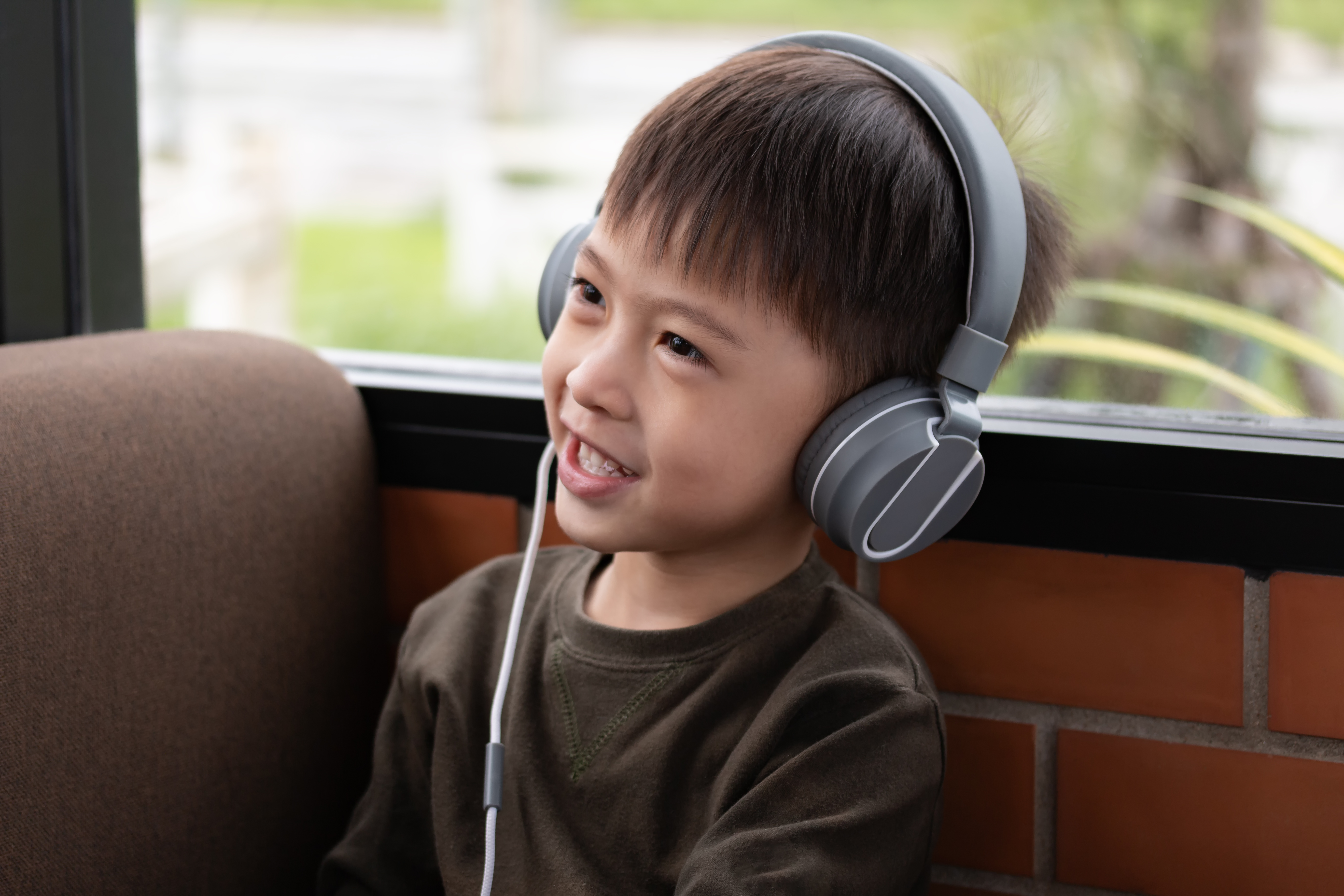
Image from Freepik
Sound overwhelming? Here's the good news: The solution isn't to ban technology entirely (good luck with that in 2025). It's about being more intentional with how and when we introduce it.
Why Audio Deserves a Bigger Role in Your Child’s Digital Diet
Think about it. When your child listens to a story, their brain has to work harder. They're not passively absorbing pre-made images—they're painting pictures in their minds, filling in details, and co-creating the experience. This is active, not passive, engagement.
In a world of fast visuals and endless feeds, audio offers something quietly radical:
- It activates imagination rather than replacing it.
- It creates space for co-listening and reflection—especially during bedtime, chores, or car rides.
- It encourages active listening and language development, particularly in younger children.
Unlike video, audio doesn’t hijack a child’s attention with flashing images or rapid-fire stimulation. It invites them to slow down, listen closely, and co-create meaning.
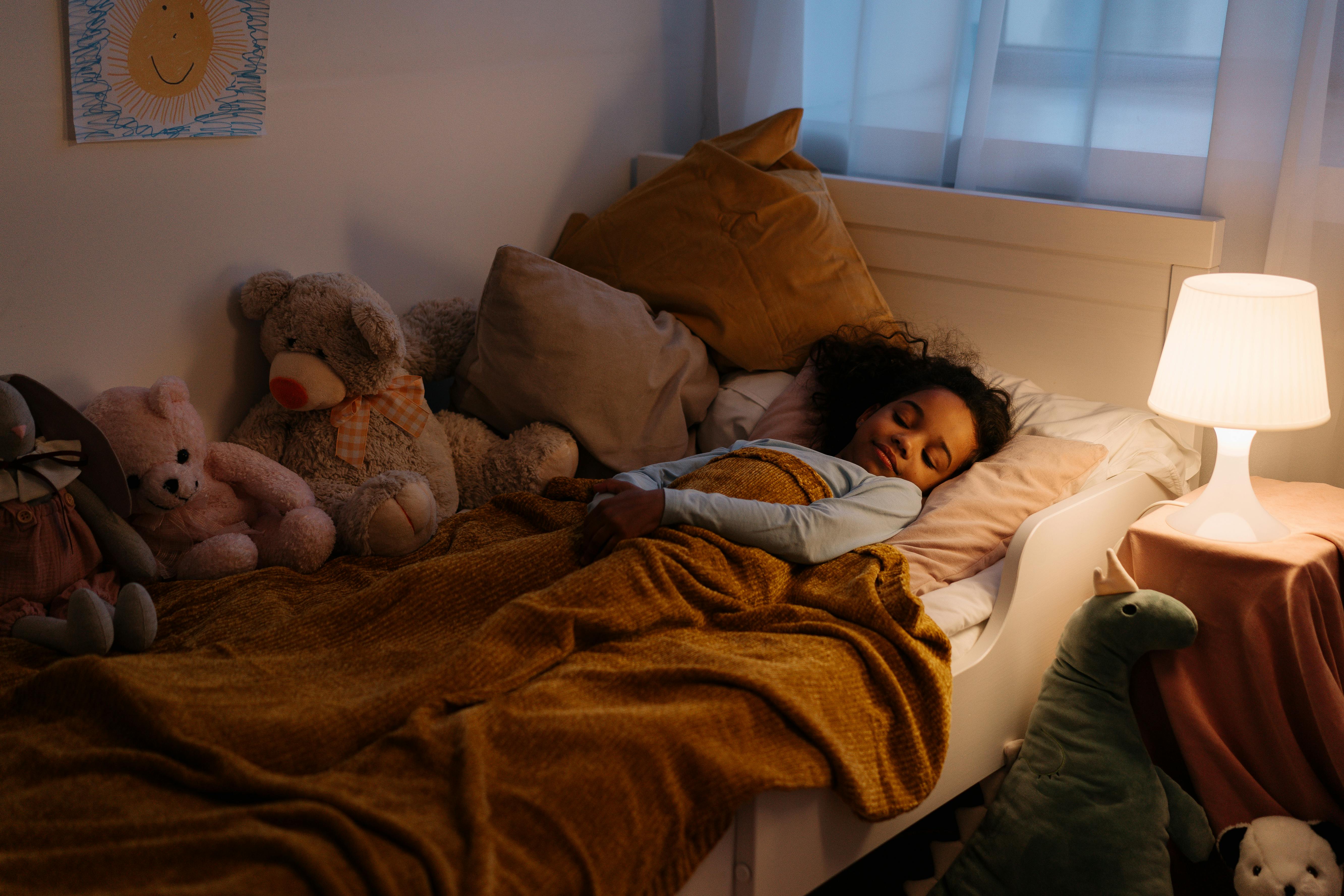
Image from Freepik
Audio encourages deeper processing. Without flashy visuals competing for attention, kids can focus on language, narrative, and meaning. They develop stronger listening skills and longer attention spans.
It's naturally less stimulating. No bright screens, no rapid scene changes, no pop-up notifications. Audio creates a calmer sensory environment that's easier on developing nervous systems.
It sparks imagination. When kids hear "a mysterious castle on a hill," each child pictures something different. This creative visualization is mental exercise that screens often do for them.
It's multitasking-friendly. Unlike screens that demand visual attention, audio can accompany drawing, building blocks, quiet time, or even help with transitions throughout the day.
When Audio Works Best
Here are some naturally screen-heavy moments where audio can serve as a healthier swap-in:
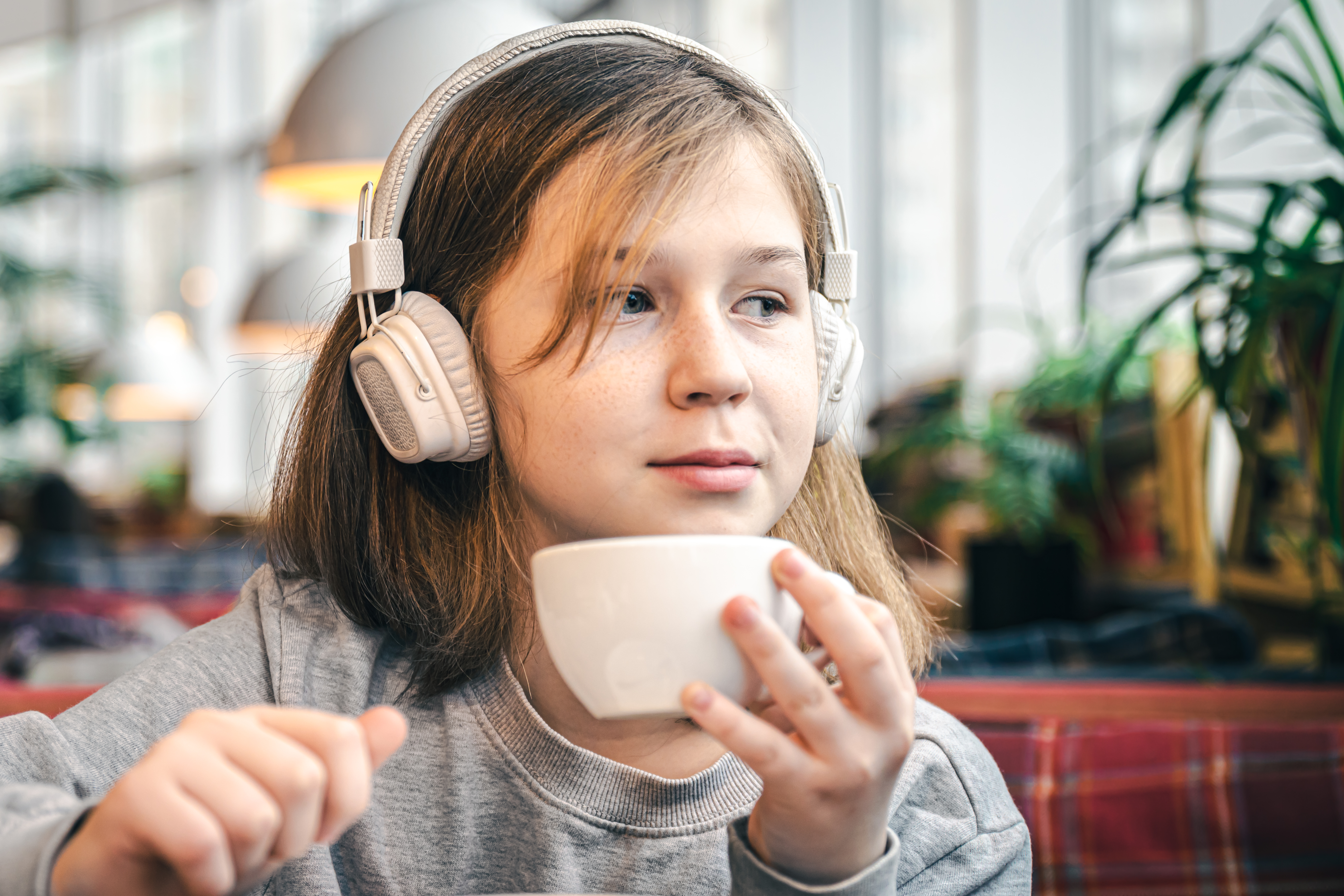
Image from Freepik
Morning Routine Reset
Instead of: Handing over the iPad to keep kids quiet while you make coffee
Try this: Start the day with an upbeat playlist or a 10-minute adventure story that energizes without overwhelming their systems.
Homework Break Refresh
Instead of: "Quick" flashy videos that turn into 45-minute rabbit holes
Try this: 5-minute brain break with riddles, would-you-rather questions, or a mini mindfulness exercise.
Travel and Transit Time
Instead of: Endless movies on repeat during car rides
Try this: Interactive audio adventures, kid-friendly podcasts about topics they're curious about, or story series that build anticipation for the next episode.
Wind-Down Transition
Instead of: Screens right up until bedtime (then wondering why they can't fall asleep)
Try this: Gentle narration, guided relaxation designed for kids, or calming nature sounds that help their brains shift into rest mode
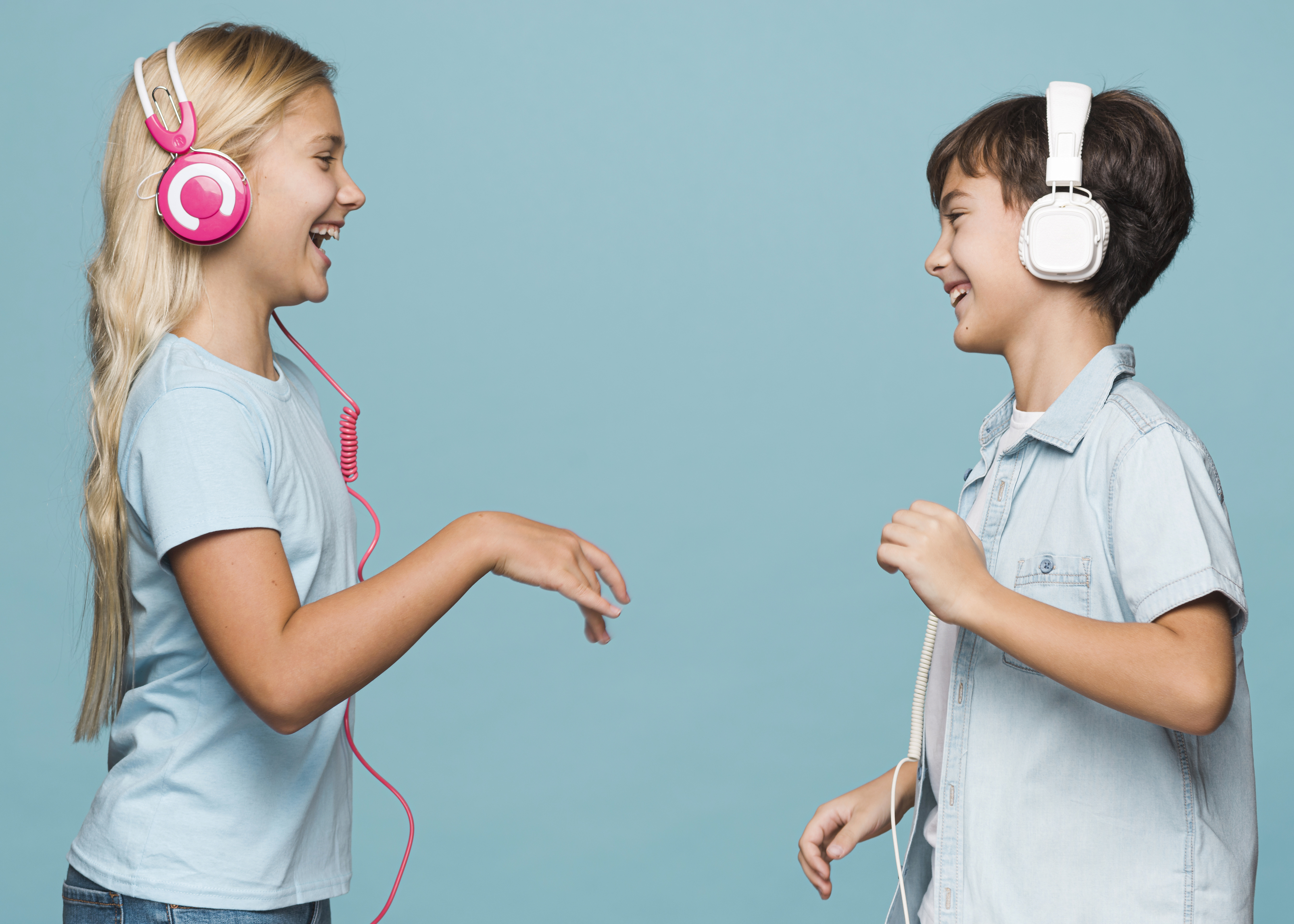
Image from Freepik
What Conscious Tech Use Actually Looks Like
Being mindful with tech isn’t about going screen-free. It’s about small, smart shifts like:
- Giving your child limited choice sets instead of infinite scrolls.
- Creating device-free zones or “audio-only” times of day.
- Reflecting together: “What did you think about that story?”
When kids learn to choose tech that fuels their thinking, they begin to use it more mindfully—and more meaningfully.
Where Vobble Fits Into the Conversation
Here's where it gets really interesting. Not all audio is created equal, and the most beneficial content invites kids to participate, not just listen.
Interactive audio experiences—where kids might answer questions, make choices, or respond to prompts—keep them mentally engaged. This is the sweet spot between entertainment and education, where learning happens naturally because kids are enjoying themselves.
This kind of content respects kids' intelligence while meeting them where they are developmentally. Instead of talking down to them or overwhelming them with information, it creates a collaborative experience.
Vobble is a pocket-sized audio player made for exactly this kind of listening.
While not a screen or a smart speaker, it blends interactive storytelling with voice prompts, so kids are active participants, not just passive listeners.
It offers audio that feels personal, contained, and engaging—ideal for kids developing their sense of independence and creativity.

Image from Freepik
Raising Kids Who Think About Tech—Not Just Use It
Audio experiences can be a bridge between the tech-heavy world kids are growing up in and the slower, more reflective pace their developing brains actually need. It's not about rejecting technology; it's about using it more wisely.
When we equip kids with tools that support conscious tech habits, we help them build lifelong skills in focus, reflection, and digital discernment.
Audio won’t replace screens. But it can rebalance the equation—creating space for imagination, calm, and co-creation.
So the next time your child reaches for a device, consider this: do they want to consume—or to connect?
With the right medium, the difference is everything.